The Ultimate 2026 Strategy for High-Converting Social Ads
In today’s competitive digital landscape, social media advertising has become one of the most powerful ways for businesses to reach their target audience, generate quality leads, and increase sales. However, running advertisements is no longer enough to achieve consistent results. Businesses need a well-planned strategy that combines creative design, audience targeting, compelling copywriting, data analysis, and continuous optimization. The Ultimate 2026 Strategy for High-Converting Social Ads focuses on transforming ordinary social media advertisements into powerful marketing campaigns that attract attention, build trust, and encourage customers to take action. As a Best Digital Marketer & Graphic Designer in Perinthalmanna, understanding the connection between visual creativity and performance marketing can help businesses develop engaging advertisements that deliver measurable results. Whether you are promoting a local business, an e-commerce store, or a professional service, a strategic approach to social media advertising can help you maximize your marketing budget and achieve sustainable business growth.
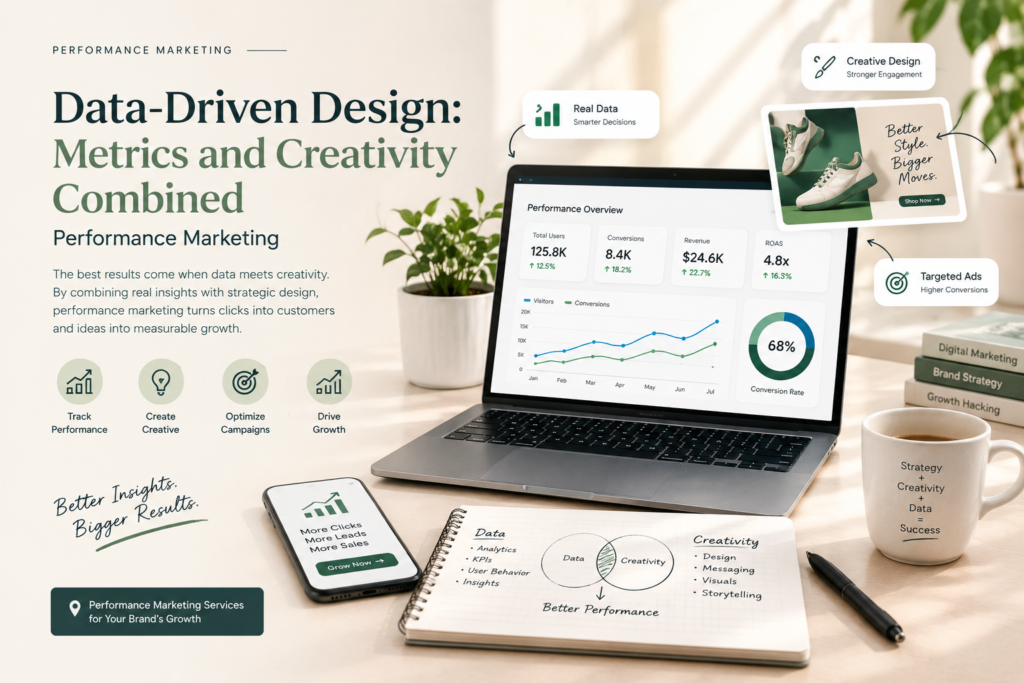
Understand Your Target Audience Before Creating Social Ads
One of the most important steps in creating successful social media advertisements is understanding your target audience. Before launching a campaign, businesses should identify who their ideal customers are, what problems they experience, what products or services they need, and which social media platforms they use most frequently. Without this information, even a visually attractive advertisement may fail to generate meaningful engagement or conversions.
In 2026, audience research should go beyond basic demographics such as age, gender, and location. Businesses should also consider customer interests, online behavior, purchasing habits, motivations, and previous interactions with their brand. For example, a local clothing store in Perinthalmanna may target customers interested in fashion, lifestyle, and online shopping, while a digital service provider may focus on business owners looking for branding, website design, or marketing solutions.
Creating detailed customer profiles helps marketers develop advertisements that communicate directly with potential buyers. When an advertisement addresses a customer’s specific needs and offers a relevant solution, it becomes more persuasive and effective. Audience research also helps businesses avoid unnecessary advertising expenses by focusing their campaigns on people who are more likely to become customers.
Create Scroll-Stopping Visual Designs for Better Engagement
Visual design plays a crucial role in determining whether users stop scrolling and pay attention to an advertisement. On platforms such as Instagram, Facebook, TikTok, and YouTube, businesses compete with thousands of other posts, videos, and advertisements for audience attention. Strong visuals can make an advertisement stand out, communicate its message quickly, and encourage viewers to learn more about the product or service.
The Ultimate 2026 Strategy for High-Converting Social Ads places a strong emphasis on creative design because the appearance of an advertisement directly influences how audiences perceive a brand. High-quality images, clear typography, consistent brand colors, balanced layouts, and compelling headlines help create professional advertisements that capture attention without overwhelming viewers. Every design element should support the main advertising message rather than distract from it.
Video advertisements, short-form reels, product demonstrations, and authentic behind-the-scenes content can also help brands communicate their value effectively. Instead of relying entirely on promotional graphics, businesses can experiment with customer testimonials, before-and-after visuals, educational videos, and product-focused storytelling. These creative formats help audiences understand the benefits of an offering and build confidence in the brand.
For businesses investing in social media marketing, professional graphic design is not simply about making advertisements look attractive. It is about presenting information clearly, creating an emotional connection, and guiding viewers toward the next step. A well-designed advertisement should make the product or service easy to understand while maintaining a consistent brand identity across different platforms.
Write Compelling Ad Copy That Converts Attention into Action
An effective social media advertisement needs more than an attractive image or video. It also requires persuasive copy that explains the value of the offer and motivates people to take action. Strong advertising copy communicates the customer’s problem, introduces a relevant solution, highlights the benefits, and provides a clear call to action.
In 2026, social media users often make quick decisions about which content deserves their attention. Therefore, the opening line of an advertisement should immediately communicate something relevant, interesting, or valuable. Instead of beginning with a generic promotional statement, businesses can use a customer-focused question, a common challenge, or a specific benefit to attract attention.
For example, a digital marketing agency could use a headline such as “Want More Qualified Leads for Your Business?” This directly addresses a potential customer’s objective and encourages them to continue reading. The advertisement can then explain how the service helps improve visibility, attract relevant audiences, and generate potential business opportunities.
Effective ad copy should remain clear, authentic, and easy to understand. Avoid exaggerated promises and complicated terminology that may confuse customers. Highlight genuine benefits, explain what makes the offer valuable, and use calls to action such as “Learn More,” “Shop Now,” “Book a Consultation,” or “Get Started” according to the campaign objective.
When strong copywriting is combined with professional visuals and a relevant offer, businesses can create advertisements that move audiences from initial interest toward meaningful action.
Choose the Right Social Media Platform for Your Campaign
Different social media platforms attract different audiences and support different marketing objectives. Choosing the right platform helps businesses reach potential customers in the environments where they are most likely to discover products, engage with content, and make purchasing decisions.
Facebook and Instagram are useful for many consumer-facing businesses, including fashion brands, restaurants, beauty services, local shops, and e-commerce stores. Their advertising tools support audience targeting, retargeting, lead generation, and sales campaigns. Instagram can be particularly useful for visually driven brands, while Facebook offers a range of advertising formats for reaching audiences and promoting local services.
LinkedIn can be a suitable choice for businesses targeting professionals, corporate decision-makers, and other companies. YouTube is valuable for video-led campaigns, product demonstrations, tutorials, and brand storytelling. TikTok and other short-form video platforms may help businesses reach audiences through creative, entertaining, and educational content, depending on their market and campaign objectives.
The Ultimate 2026 Strategy for High-Converting Social Ads involves selecting platforms according to audience behavior, business goals, creative resources, and available budget rather than advertising everywhere at once. Businesses should identify the platforms most relevant to their ideal customers and test their performance before expanding their campaigns.
For local businesses in Perinthalmanna and nearby areas, location-based targeting can help promote services, offers, and events to relevant communities. Combining local relevance with strong creative content and a clear value proposition can improve campaign efficiency and help businesses connect with potential customers.
Use AI and Data-Driven Insights to Improve Ad Performance
Artificial intelligence and data analytics are becoming increasingly important in digital advertising. These technologies can help marketers identify patterns, generate creative ideas, analyze campaign performance, and improve the efficiency of their advertising activities. However, successful campaigns still require strategic thinking, human creativity, and a clear understanding of customer needs.
AI-powered tools can assist with brainstorming headlines, developing content variations, creating initial design concepts, and organizing campaign insights. Advertising platforms also offer automated bidding, audience expansion, and campaign optimization features that can help advertisers manage campaigns more efficiently. These capabilities should be used thoughtfully, with regular checks to ensure that the creative content remains accurate, relevant, and consistent with the brand.
Data analysis is equally important. Rather than judging a campaign solely by likes, comments, or impressions, businesses should monitor performance indicators that align with their objectives. Click-through rate helps indicate how effectively an advertisement encourages users to visit a destination. Conversion rate shows the proportion of visitors who complete a desired action. Cost per lead helps evaluate the expense of generating potential customers, while return on ad spend measures advertising revenue relative to advertising expenditure when reliable revenue tracking is available.
For example, an advertisement may generate many clicks but very few purchases. This could indicate that the landing page is confusing, the offer is not sufficiently compelling, or the audience does not match the product. Analyzing the complete customer journey helps marketers identify these problems and make informed improvements.
The key is to combine automation with human judgment. AI can support faster experimentation, but marketers must still evaluate whether the campaign communicates the right message, represents the brand accurately, and provides genuine value to customers.
Optimize Landing Pages for Higher Conversion Rates
A successful advertisement does not end when someone clicks on it. The landing page or destination must continue the experience promised by the advertisement and make it easy for visitors to complete the desired action. If users encounter slow loading times, confusing layouts, irrelevant content, or complicated forms, many may leave without converting.
Landing page optimization should begin with message consistency. If an advertisement promotes a particular product, discount, service, or consultation, the destination page should clearly display the same offer. Visitors should immediately understand what is being offered, why it matters, and what they need to do next.
Mobile responsiveness is particularly important because many social media users access advertisements through smartphones. Websites should load quickly, display readable text, use accessible buttons, and provide simple navigation. Forms should request only the information necessary to complete the intended action, reducing unnecessary friction for potential customers.
Trust also influences conversions. Clear service descriptions, genuine customer reviews, transparent pricing where appropriate, contact information, secure payment options, and professional branding can help customers feel more confident about engaging with a business. These elements are especially valuable for businesses that rely on online enquiries, bookings, or purchases.
By improving the destination experience, businesses can make better use of their existing advertising traffic. Even a well-targeted campaign may underperform if the landing page fails to deliver what the advertisement promises, so both elements should be optimized together.
Test Different Ad Creatives and Campaign Variations
Continuous testing is one of the most effective ways to improve social media advertising performance. Customer preferences change, competitors introduce new offers, and creative formats perform differently across audiences and platforms. Instead of assuming that the first advertisement will deliver the best results, marketers should test different approaches and use the findings to improve future campaigns.
A structured testing process may compare different headlines, images, videos, calls to action, audience segments, or offers. For example, a business could compare a product-focused advertisement with a customer-testimonial video to determine which creative generates more qualified leads. Another test might compare a benefit-focused headline with a problem-focused headline.
To understand what actually drives performance, change one major variable at a time when practical and ensure that the test receives sufficient data to support a reasonable conclusion. Avoid making decisions based on very small samples or short periods of unpredictable performance. Where available, platform experimentation tools can help advertisers conduct more reliable comparisons.
The Ultimate 2026 Strategy for High-Converting Social Ads is built around ongoing improvement rather than a one-time campaign launch. Marketers should identify successful creative elements, refresh advertisements when performance begins to decline, and use audience feedback to develop new variations. Testing should also include the landing page, offer, and customer journey, not just the advertisement itself.
Over time, this process helps businesses understand which messages resonate with their audiences, which creative formats work best, and how to allocate their budgets more effectively.
Build Trust Through Retargeting and Consistent Brand Messaging
Not every customer is ready to make a purchase the first time they see an advertisement. Some people need more information, while others may compare alternatives or postpone their decision. Retargeting helps businesses reconnect with eligible audiences who have previously interacted with their brand, visited their website, viewed products, or engaged with relevant content.
A well-planned retargeting campaign can provide useful reminders and address the questions that prevent customers from taking action. For example, an e-commerce business might show a product demonstration to visitors who viewed a product but did not purchase it. A professional service provider could share educational content, case studies, or consultation offers with people who previously engaged with its marketing.
However, retargeting should provide value rather than repeatedly showing the same advertisement without considering the user’s needs. Campaigns should respect platform policies, applicable privacy requirements, consent choices, and audience eligibility rules. Where appropriate, existing customers and people who have already completed the desired action should be excluded from acquisition campaigns.
Brand consistency also strengthens advertising performance over time. Using recognizable colors, typography, tone of voice, and messaging across advertisements helps audiences connect individual campaigns with the same business. Consistency creates familiarity, while relevant messaging demonstrates that the brand understands its customers.
When retargeting is combined with useful content, consistent branding, and thoughtful audience segmentation, businesses can support the customer journey from initial awareness to consideration and conversion.
Measure the Right KPIs to Maximize Advertising ROI
Measuring performance accurately is essential for understanding whether a social media campaign contributes to business growth. Without reliable measurement, marketers may continue spending money on advertisements that generate attention but fail to produce valuable outcomes.
The most appropriate key performance indicators depend on the campaign objective. Awareness campaigns may focus on reach, impressions, and video views. Traffic campaigns may prioritize landing page visits and click-through rates. Lead generation campaigns should monitor qualified leads and cost per lead, while sales campaigns should measure purchases, conversion rates, customer acquisition costs, and return on ad spend where reliable tracking is available.
For example, a campaign that generates 100 leads at a cost of ₹100 per lead has an advertising cost of ₹10,000. However, the actual value of the campaign depends on the quality of those leads and how many become paying customers. If the leads do not match the business’s target audience, a low cost per lead may not represent good performance.
Accurate tracking requires properly configured analytics, conversion events, and platform measurement tools. Businesses should also consider differences between platform-reported results and actual sales records, as attribution methods can produce different numbers. Comparing advertising data with website analytics, customer enquiries, and sales outcomes provides a more complete picture.
Regular performance reviews help marketers identify underperforming campaigns, discover successful creative variations, and reallocate budgets based on evidence. The ultimate goal is not simply to spend less on advertising, but to generate more meaningful business results from every marketing investment.
Conclusion
The Ultimate 2026 Strategy for High-Converting Social Ads is about combining audience understanding, creative design, persuasive copywriting, intelligent targeting, AI-assisted workflows, landing page optimization, continuous testing, and accurate performance measurement. Each element contributes to a stronger advertising system that attracts relevant audiences, builds customer confidence, and encourages meaningful conversions.
Businesses that want to succeed with social media advertising should focus on delivering the right message to the right audience through the right creative format. They should regularly evaluate campaign performance, improve weak areas, and maintain consistent branding across every customer touchpoint. Rather than relying on trends alone, successful advertising depends on understanding customer needs and using measurable insights to guide decisions.
For businesses seeking stronger online visibility and better digital marketing results, professional strategy and creative execution can make a significant difference. As a Best Digital Marketer & Graphic Designer in Perinthalmanna, focusing on performance-driven design, audience-focused campaigns, and data-backed optimization can help businesses strengthen their digital presence and work toward sustainable growth.
Ultimately, The Ultimate 2026 Strategy for High-Converting Social Ads is not about creating more advertisements; it is about creating more relevant, persuasive, and effective advertisements that support real business objectives. By applying these principles consistently, businesses can improve their advertising strategy, build lasting customer relationships, and create a stronger foundation for success in the evolving digital marketing landscape.